
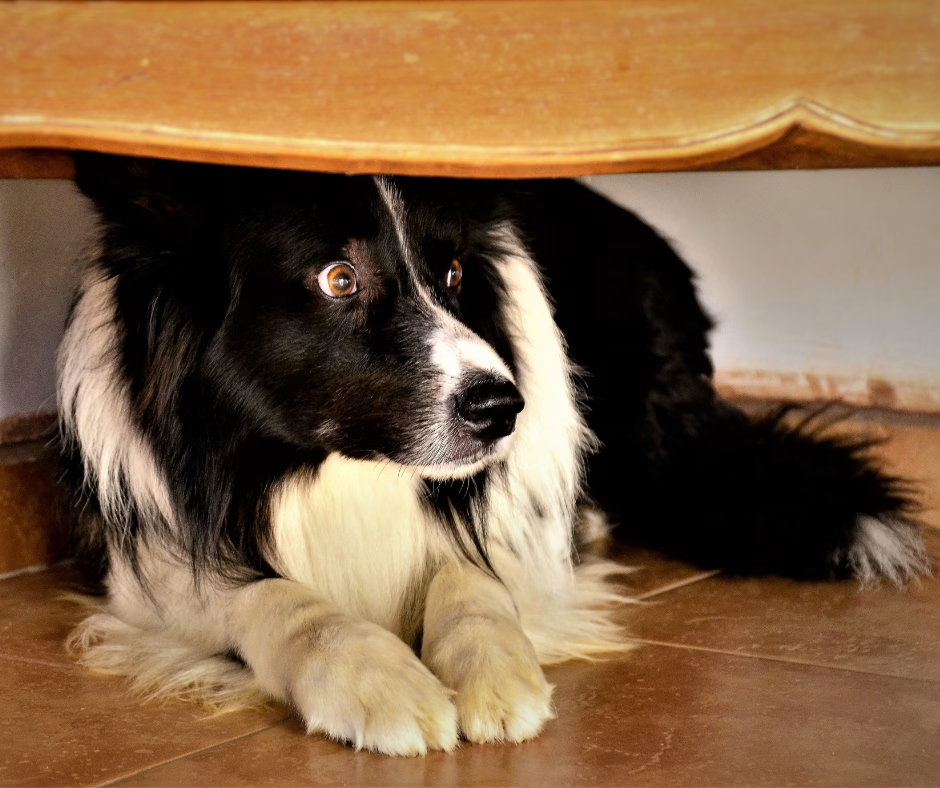
Bringing home a rescued dog is one of the most meaningful choices a pet parent can make. It’s also one of the biggest transitions a dog can experience. Even when a rescue pup is sweet, friendly, and eager to connect, their nervous system may still be adjusting to a completely new world.
That’s why many rescued dogs benefit from extra calming support in the weeks and months after adoption. Not because they’re “bad,” “broken,” or destined to struggle, but because change takes time, and emotional balance is something dogs build through consistency, trust, and gentle guidance.
In this article, we’ll explore why rescued dogs often need additional relaxation support, what signs to look for, and how to create a calming routine that helps your dog settle into their new life.
The Transition Home Is a Big Deal (Even for “Easy” Dogs)
Rescue stories are all different. Some dogs come from shelters. Some are rehomed by families who loved them but couldn’t keep them. Others may have experienced unpredictable environments, inconsistent routines, or long periods without stability.
Even when you don’t know your dog’s full history, one thing is almost always true: adoption is a major life change. Your dog is navigating a brand-new living space, new sounds (appliances, traffic, neighbors), new household rules, new daily schedules, new handling (leashes, collars, grooming), or new people and animals.
And while dogs can sense they are safer and cared for, they may also simultaneously feel overwhelmed by all the change. That emotional “whiplash” is one reason calming support can be so valuable early on.
The “Honeymoon Period” Can Be Misleading
Many rescue dogs appear calm and quiet at first. They may sleep a lot, follow you everywhere, or seem unusually easygoing. While this may reflect a genuine personality, it can also indicate that your dog is still processing the transition.
You may notice that as your dog feels safer, they can express more personality and stronger emotions. They may become more vocal, energetic, or reactive as they settle in. Others may start testing boundaries, exploring the home more confidently, or expressing preferences regarding space and interaction.
That said, supporting their sense of calm through consistent routines isn’t just important in those first weeks; it’s a continuous strategy to maintain as your dog’s confidence grows and they begin engaging more with their environment.
New Experiences Can Be Overstimulating
Think about how many “firsts” your rescued dog may experience in a short period of time. Their first walk in your neighborhood. Their first bath. Their first car ride with you. Their first meeting with friends or family. Their first trip to the vet. Their first night alone when you leave the house.
Even positive experiences can be intense when everything is new. So, helping your dog decompress after each of these new experiences is key to supporting their emotional balance and building resilience.
Signs Your Rescued Dog May Need Calming Support
Every dog is different, but there are common behaviors that can suggest your rescue pup may benefit from extra relaxation support during the adjustment period. Look out for these different habits to get a better understanding:
- Restlessness in the evening, even after exercise
- Pacing, following you constantly, or difficulty settling
- Startling easily at sounds or movement
- Excessive panting when it isn’t hot
- Whining or vocalizing during transitions (like bedtime or leaving the house)
- Sudden bursts of energy that seem “wired” rather than playful
- Trouble focusing during training or walks
- Clinginess or difficulty being alone in another room
These behaviors often mean your dog is still learning how to feel secure in their new environment.
5 Routine-Based Ways to Support
When it comes to rescued dogs, the most effective calming support usually comes from small, consistent habits rather than big “quick fixes.” Many dogs thrive on routine, but rescued dogs may rely on it even more. Predictability helps dogs understand what’s coming next, which can support relaxation and emotional balance.
If your dog doesn’t yet know what to expect, everyday moments can feel intense. This is especially common in the first few weeks, when your dog is still building trust and learning that their new home is stable. Implementing a predictable schedule helps your dog feel grounded.
Over time, that sense of structure can help them feel more comfortable. They start to recognize rhythms and respond with relaxation. It’s the difference between constantly reacting to the world and feeling steady within it. A few routine-based strategies that help many rescue dogs include the following:
Creating a calm “home base”
A cozy bed or crate in a quiet area gives your dog a place to decompress. This space should feel like theirs; no pressure, no constant interaction, just comfort.
Using slow enrichment
Lick mats, snuffle mats, and food puzzles encourage calm focus. These activities support relaxation and provide your dog with something soothing to do as they adjust.
Keeping greetings low-key
Many rescue dogs get overwhelmed by intense excitement. Calm hellos and gentle voices can help your dog stay regulated.
Prioritizing decompression walks
Instead of long, high-energy walks, consider slow sniff walks that let your dog explore without pressure. Sniffing is a natural way for dogs to process their environment.
Practicing calm transitions
If your dog struggles when you leave or return, make those moments boring and predictable. Calm routines often help dogs settle faster over time.
Evening wind-down routines
Evenings are a common time for rescue dogs to feel unsettled. With a simple routine, you can help your dog shift into rest mode. Start with a slow walk or potty break, offer dinner or a calming enrichment activity, dim the lights and reduce stimulation, and encourage quiet time in a familiar space.
The key to these is consistency. When the same steps happen in the same order each day, your dog learns that each day is predictable and that they can finally relax. Your goal is to teach your dog that home is predictable and peaceful. That comes from repeated, reassuring patterns: wake up, potty break, meals, walks, quiet time, bedtime.
Visit for more petqrdas.com
Does CBD Fit Into a Rescue Dog’s Wellness Routine?
Many pet parents turn to CBD as a gentle option to help promote relaxation and overall well-being. For rescued dogs who seem constantly “on,” have difficulty settling, or need support during new experiences, a calming supplement might be worth exploring alongside the other strategies we’ve discussed.
Quality matters here. Look for CBD products specifically formulated for dogs, made by brands that prioritize transparency and research-backed ingredients. When used consistently, CBD for dogs can support emotional balance and help them navigate their new world with a little more ease.
Because every dog’s needs are unique, it’s always a good idea to speak with your veterinarian for personalized guidance, especially during those early adjustment weeks when you’re still learning what your dog needs.
Avoid Rushing Their Progress
One of the hardest parts of adopting a rescue dog is the emotional pressure pet parents put on themselves. You want your dog to feel happy immediately. You want them to trust you right away and see the success story unfold fast. But most rescued dogs need patience.
In time, you’ll see progress in small signs, such as settling in a little faster after walks, choosing to rest rather than pace, feeling comfortable in more rooms of the house, handling visitors with less intensity, and sleeping more deeply through the night. These small wins add up. And when your dog has the right support, those wins often come more steadily.
The Goal: A Dog Who Feels Safe Enough to Exhale
Rescue dogs are incredibly resilient, but resilience doesn’t mean they don’t need support. Many simply need time, structure, and a calming routine that helps them feel secure in their new life.
If your rescued dog seems restless, overstimulated, or has trouble settling, extra calming support can be a thoughtful way to meet them where they are. With patience, predictable routines, and wellness tools, you can help your dog build emotional balance and confidence, one peaceful day at a time.
