
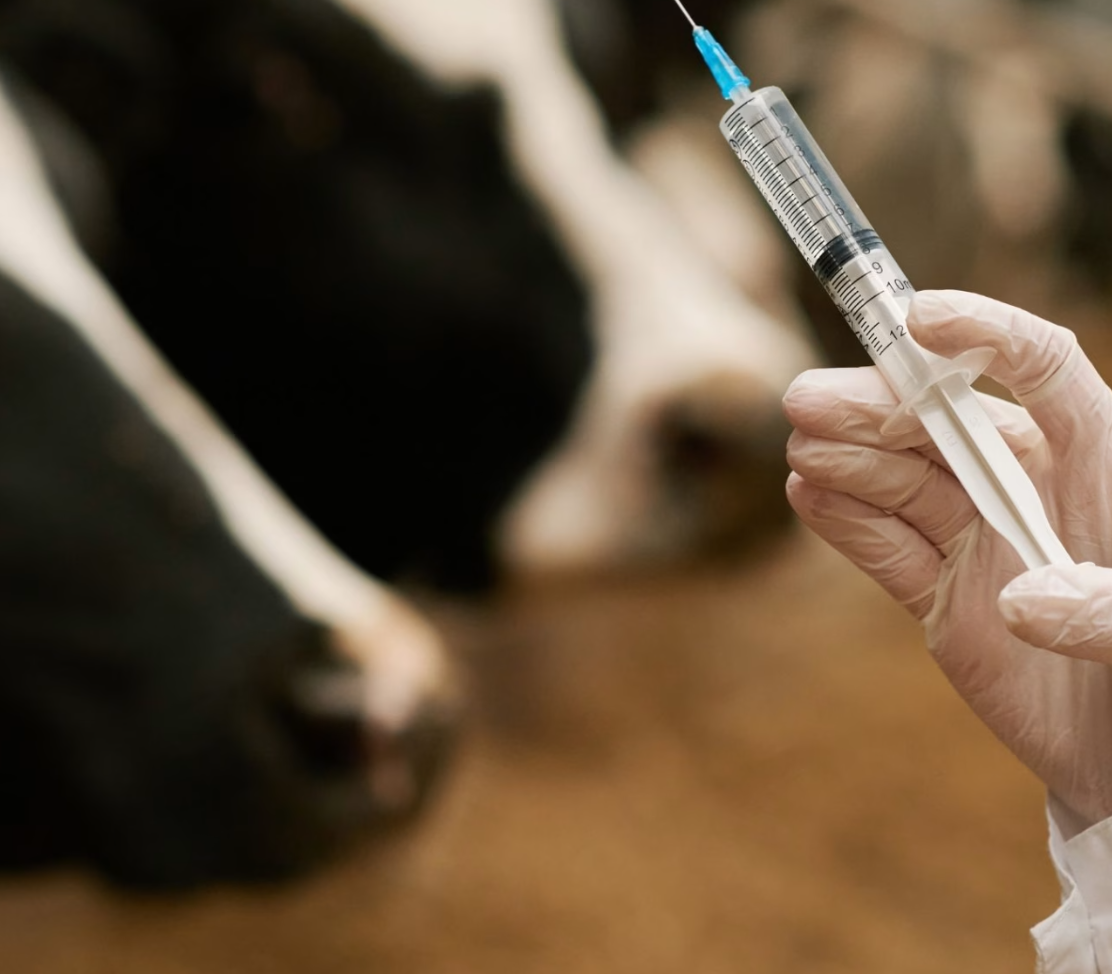
Vaccination is one of the most effective tools farmers have to protect animal health, maintain productivity, and prevent costly disease outbreaks. Whether you raise cattle, sheep, goats, pigs, poultry, or horses, a well-planned vaccination schedule supports animal welfare and safeguards your operation. A common question among producers of all sizes is how often should farm animals be vaccinated. The answer depends on species, age, environment, disease risk, and local veterinary guidance, but understanding the general principles can help you make informed decisions.
Why Vaccination Matters on the Farm
Farm animals are constantly exposed to bacteria, viruses, and parasites through soil, water, feed, wildlife, and contact with other animals. Vaccines stimulate the immune system to recognize and fight specific diseases before they cause serious illness. Effective vaccination programs reduce mortality, improve growth rates, enhance reproductive performance, and lower the need for antibiotics. From a biosecurity perspective, vaccinating animals also reduces the risk of disease spread between farms and into the food supply.
Factors That Determine Vaccination Frequency
There is no single vaccination schedule that works for every farm. Several factors influence how often animals need vaccines. Species is one of the most important, as different animals face different disease threats. Age also matters, because young animals often require a series of initial vaccinations and boosters. Management style plays a role as well, since animals kept in close confinement generally face higher disease pressure than those on open pasture. Geographic location affects exposure to region-specific diseases, and breeding status can change vaccination timing, especially for pregnant animals. Finally, local regulations and veterinary recommendations should always be considered when setting up a program.
Core Vaccination Concepts Every Farmer Should Know
Most vaccination programs follow a similar structure. Young animals typically receive an initial series of vaccines starting in early life, followed by booster doses to build long-term immunity. Adult animals then receive periodic boosters, often annually, to maintain protection. Some vaccines require more frequent boosters, while others provide longer-lasting immunity. Stress, poor nutrition, and illness can reduce vaccine effectiveness, which is why timing and animal condition matter.
How Often Should Cattle Be Vaccinated?
Cattle vaccination schedules vary based on whether the animals are beef or dairy and whether they are raised for breeding or finishing. Calves usually receive their first vaccines between two and four months of age, with booster doses several weeks later. Core cattle vaccines often include protection against clostridial diseases, respiratory viruses, and leptospirosis. Adult cattle are commonly vaccinated once a year, although some diseases require boosters every six months, especially in high-risk areas. Pregnant cows are often vaccinated before breeding or in late gestation to protect both the cow and her calf.
Vaccination Frequency for Sheep and Goats
Sheep and goats face similar disease risks and are often vaccinated on comparable schedules. Lambs and kids typically receive their first vaccines at six to eight weeks of age, followed by a booster three to four weeks later. Clostridial diseases are a major concern, so annual boosters are standard for adults. In some regions, additional vaccines may be recommended for diseases like caseous lymphadenitis or abortion causing pathogens. Breeding animals are often vaccinated annually before mating to reduce reproductive losses.
How Often Should Pigs Be Vaccinated?
Swine vaccination programs depend heavily on production type, such as breeding herds versus market hogs. Piglets often receive multiple vaccines within their first few weeks of life, including protection against respiratory and gastrointestinal diseases. Sows are usually vaccinated several times a year, particularly before breeding and farrowing, to pass immunity to piglets through colostrum. Market hogs may only receive a limited set of vaccines depending on how long they are kept before processing. Because pigs are often housed in close quarters, maintaining a consistent vaccination schedule is especially important.
Poultry Vaccination Schedules Explained
Poultry vaccination is highly structured and often begins at the hatchery. Chicks may receive vaccines on their first day of life, with additional doses administered in drinking water or by spray as they grow. Broilers typically follow a shorter schedule due to their rapid growth cycle, while layers and breeders receive more frequent boosters throughout their lives. Common poultry vaccines protect against diseases such as Marek’s disease, Newcastle disease, and infectious bronchitis. The frequency of vaccination depends on flock purpose, housing conditions, and local disease prevalence.
Vaccination Needs for Horses and Other Farm Animals
Horses, while not always considered traditional livestock, also require regular vaccination. Foals generally receive an initial series starting around four to six months of age, followed by boosters. Adult horses are often vaccinated annually for core diseases such as tetanus and rabies, with some vaccines given twice a year depending on exposure risk. Other farm animals, including llamas, alpacas, and farmed deer, have species-specific needs that should be addressed with a veterinarian familiar with those animals.
Seasonal and Environmental Considerations
Seasonality can influence how often vaccines are given. Many farmers schedule annual vaccinations before periods of higher disease risk, such as calving, lambing, or wet seasons when pathogens spread more easily. Animals transported to shows, markets, or new pastures may need additional vaccinations before movement. Environmental stressors like extreme heat or cold can also affect immune response, making proper timing even more critical.
Working With a Veterinarian on a Vaccination Plan
While general guidelines are helpful, the most reliable way to answer how often farm animals are vaccinated is to work with a licensed veterinarian. A veterinarian can assess your herd or flock, review disease history, and recommend vaccines based on local risk factors. They can also help ensure vaccines are stored, handled, and administered correctly, which is essential for effectiveness. Regular veterinary input allows your vaccination program to evolve as your operation changes.
Stairs and steps can be both safe and stylish with LED stair lights, providing subtle illumination that enhances visibility at night. Their energy-efficient design and durable construction make them a practical choice for both indoor and outdoor spaces.
Common Mistakes to Avoid
One common mistake is assuming that more frequent vaccination always equals better protection. Over-vaccinating can stress animals and increase costs without added benefit. Skipping boosters or delaying initial doses is another issue that can leave animals vulnerable. Improper storage, such as allowing vaccines to freeze or overheat, can render them ineffective. Keeping accurate records of vaccination dates and products used helps prevent these problems and ensures consistency.
Final Thoughts on Farm Animal Vaccination Frequency
There is no universal answer to how often farm animals should be vaccinated, but there are clear principles that apply across species. Most animals require an initial series early in life, followed by regular boosters, often annually. Factors like species, age, environment, and production goals all influence timing. By understanding these variables and working closely with a veterinarian, farmers can develop vaccination schedules that protect animal health, improve productivity, and support long term success on the farm.
Visit for more petqrdas.com
