

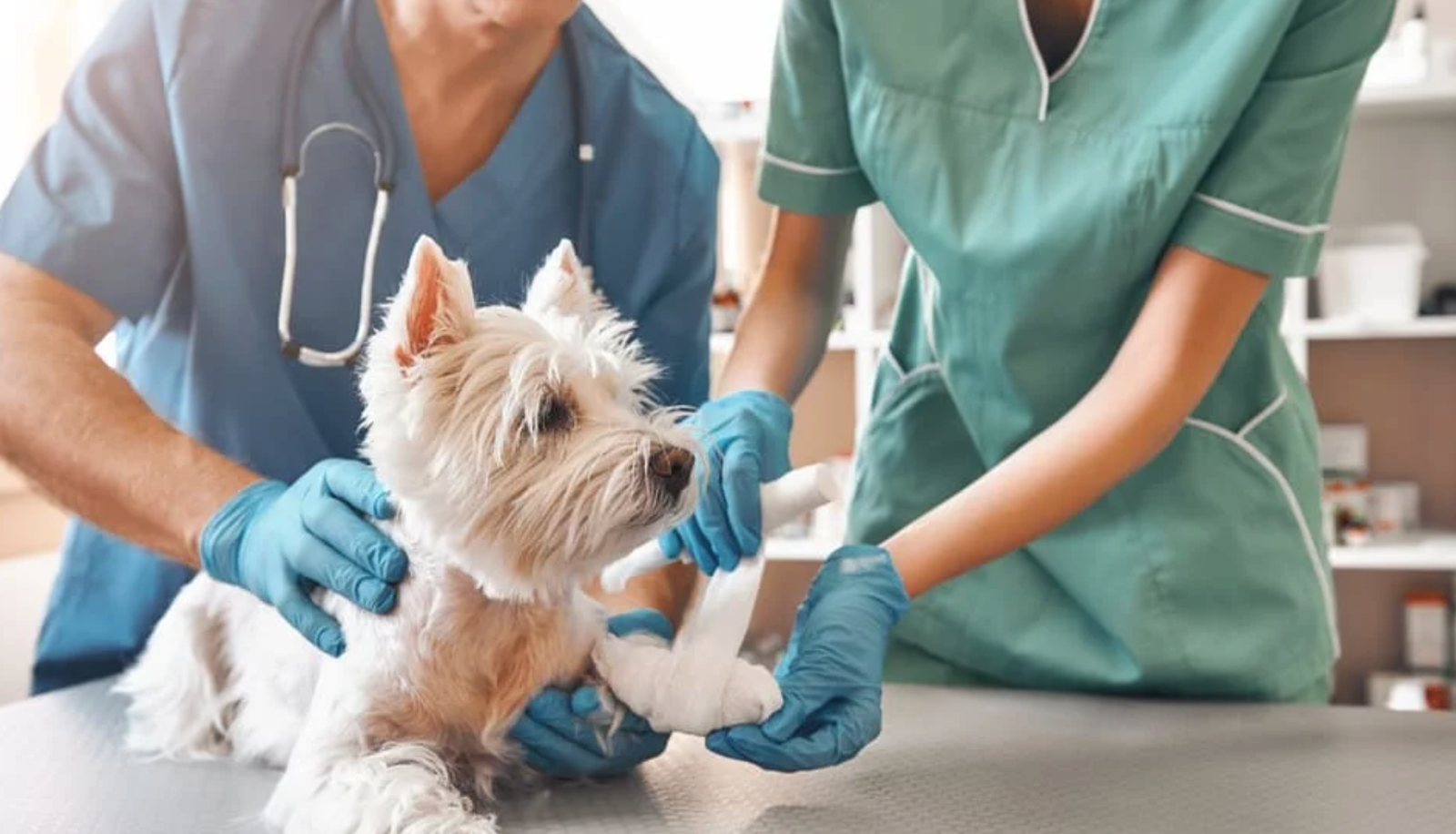
When your pet faces an emergency, it’s natural to feel anxious and unsure. Knowing what to do can make a huge difference. Imagine your pet suddenly showing signs of distress. You need to act quickly. Here’s some advice from veterinarians to guide you through these critical moments. First, keep calm. Your pet senses your emotions. Panic only adds to their stress. Next, look for visible signs. Is your pet limping or struggling to breathe? These clues help decide the next step. Then, contact your local veterinarian immediately. If you live near a Fair Oaks veterinarian, they can provide specific guidance tailored to your pet’s needs. While you wait for professional help, ensure your pet is comfortable and safe. Remove any hazards. Stay close by, offering soothing words and gentle touches. Your calm presence reassures them. Remember, preparation is key. Knowing what to do can save precious time during emergencies.
Identify the Emergency
Recognizing an emergency is crucial to providing timely care for your pet. Below are common signs that indicate your pet needs immediate attention:
- Difficulty breathing
- Uncontrolled bleeding
- Collapse or unconsciousness
- Seizures
- Persistent vomiting or diarrhea
These symptoms require quick action. Trust your instincts. If something seems off, it’s better to be safe and seek advice.
First Aid Basics
Knowing some basic first aid can help you stabilize your pet before reaching a veterinarian. Here’s a quick reference table to guide you:
| Emergency | Action |
|---|---|
| Bleeding | Apply gentle pressure with a clean cloth |
| Choking | Check mouth for obstruction, be cautious to avoid bites |
| Heatstroke | Move to a cool place, apply cool water to fur, and offer small sips of water |
| Poisoning | Contact a vet immediately and provide information on the substance |
Know Your Resources
In an emergency, knowing where to find help is crucial. Keep contact numbers for your veterinarian, emergency clinics, and poison control handy. The American Veterinary Medical Association offers resources for emergency care and poison control. Familiarize yourself with the location of the nearest emergency pet clinic. This knowledge saves time and reduces stress in urgent situations.
Pet Emergency Kit
Having a pet emergency kit prepared can be hugely beneficial. Ensure your kit includes:
- Bandages and gauze
- Digital thermometer
- Saline solution
- Flashlight
- Emergency contact numbers
Keep this kit in an accessible location. Regularly check to ensure all items are stocked and in good condition.
Transporting Your Pet
During an emergency, safe transportation is key. If possible, use a pet carrier to prevent further injury. Ensure your pet is secured but comfortable. If they are unable to move, use a blanket or towel to gently lift and transport them.
Stay Informed
Continuing to educate yourself on pet health ensures you are prepared when emergencies occur. Local veterinarians often offer workshops or classes on pet first aid and emergency response. Additionally, resources like the ASPCA Animal Poison Control can provide valuable information and guidance.
After the Emergency
Once your pet is stable and under professional care, follow all advice from the veterinarian. Ensure your pet completes any prescribed treatments or medications. Monitor them closely for any changes or complications. Providing a calm, quiet space for recovery helps your pet heal. Offer plenty of water and nutritious food to support their health. Recovery may take time, so patience is essential.
Conclusion
Handling a pet emergency well can drastically improve outcomes. By staying calm and prepared, you offer your pet the best chance for recovery. Keep resources ready and educate yourself on common emergencies. This readiness ensures you can provide the right care swiftly, reducing stress for both you and your pet.
Keep Visting petqrdas.com
Leave a Reply