

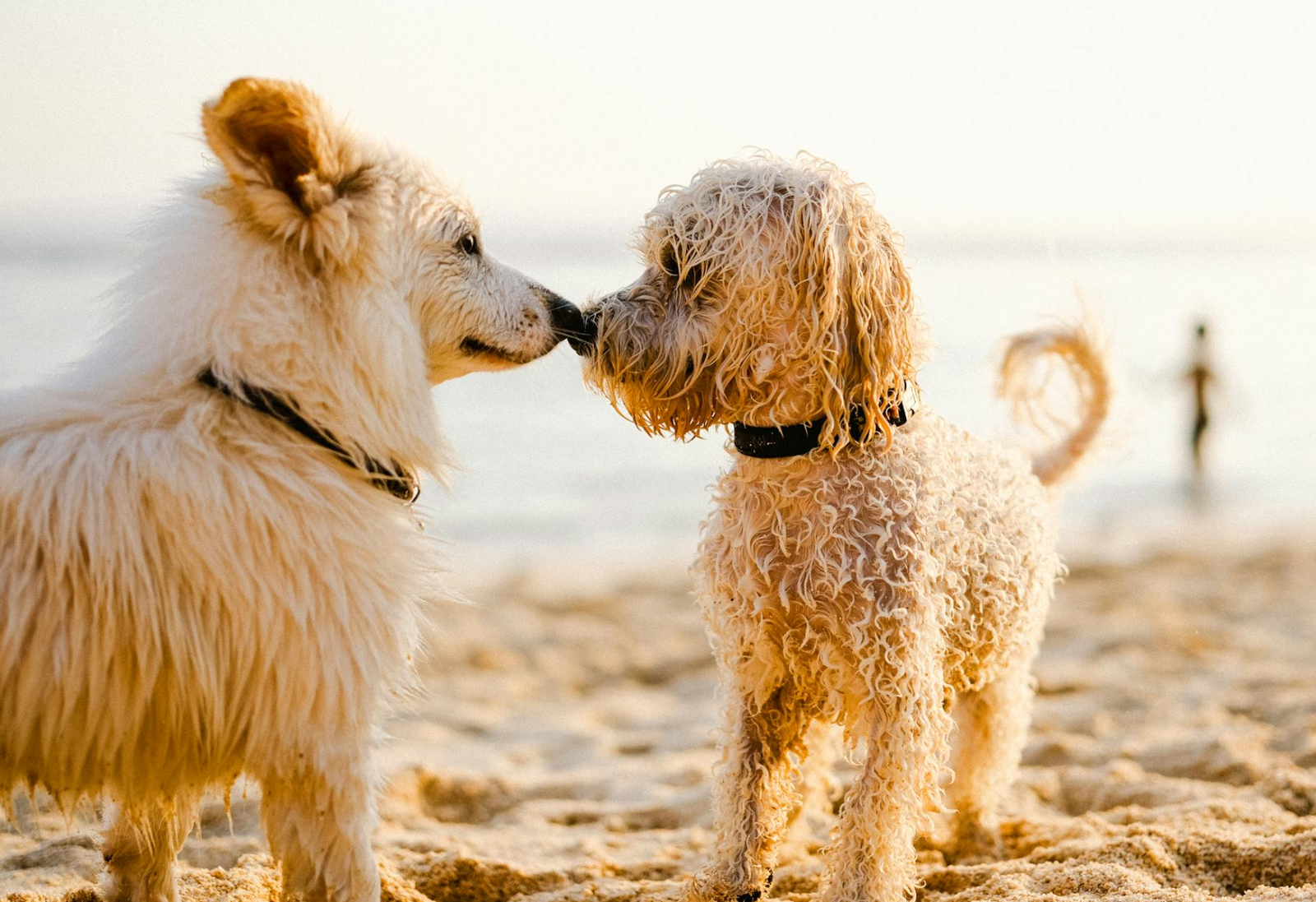
Traveling to the Bahamas with your furry friend is an exciting adventure, but it comes with its share of paperwork and requirements. The Bahamas pet permit is essential for ensuring your pet’s entry is smooth and compliant with local regulations. This permit acts as an official approval from Bahamian authorities, confirming that your dog or cat meets all health and vaccination requirements for entry. Without it, you risk delays or even denial at the border, which can be stressful for both you and your pet.
Why You Need a Dog Permit Bahamas
A Dog permit Bahamas is more than just bureaucracy—it’s a safeguard for the health of local animals and people. The Bahamian government requires all dogs entering the country to be vaccinated against rabies and other common diseases, and to have a microchip for identification. By obtaining this permit in advance, you demonstrate compliance with these rules, ensuring your dog’s safety and a hassle-free entry process. It also allows customs officials to quickly verify your pet’s health status without extensive paperwork at the point of arrival.
Step-by-Step Guide to Securing a Bahamas Pet Permit
Securing a Bahamas pet permit may seem intimidating, but breaking it down into simple steps makes the process manageable. First, contact the Department of Agriculture or visit their official website to download the permit application form. Next, ensure your dog or cat has an up-to-date rabies vaccination certificate and a microchip registered with international standards. Finally, submit the completed application along with vaccination records and any other required documentation. Once approved, the permit is usually valid for a specific period, often up to six months, allowing flexibility in your travel plans.
Preparing Your Dog for Travel
Obtaining a Dog permit Bahamas is only the first step. Preparing your dog for travel is equally important to ensure a safe and comfortable journey. Start by acclimating your dog to a travel crate, as airlines often require them for transport. Make sure your dog is comfortable with the crate by gradually increasing the time they spend inside it at home. Additionally, keep their vaccination records and the permit handy, as airline staff and customs officers may need to check them during your journey. Proper preparation reduces stress for both you and your pet.
Vaccinations and Health Checks
Before traveling, it’s essential that your pet meets all health requirements. For a Bahamas pet permit, proof of a current rabies vaccination is mandatory. Some airlines may also require additional vaccinations or a recent health certificate issued by a licensed veterinarian. Scheduling a checkup before your trip ensures that your pet is in good health and helps identify any potential issues that may complicate travel. A healthy pet is a happy traveler, and thorough health checks are crucial for compliance with Bahamian regulations.
Travel Logistics and Airline Requirements
Different airlines have varying rules for pet travel, so it’s vital to review them ahead of time. Many airlines allow pets in the cabin if they meet size restrictions, while larger dogs may need to travel in the cargo hold. Regardless of the method, having a Dog permit Bahamas ready can prevent last-minute complications. Make sure to book your pet’s spot in advance, as airlines limit the number of animals per flight. Additionally, label your pet’s crate with identification and contact information to ensure safety during transit.
Documentation Checklist for Bahamas Entry
Having a clear checklist can simplify the process of entering the Bahamas with your pet. Essential documents include the Bahamas pet permit, vaccination certificates, microchip registration details, and a recent health certificate from a veterinarian. Keep copies of all documents, both printed and digital, for easy access during your journey. Organizing your paperwork in advance minimizes delays at customs and demonstrates that you have taken every step to comply with local regulations.
Traveling With Multiple Pets
If you are traveling with more than one animal, the rules remain largely the same but may require additional documentation. Each pet will need its own Bahamas pet permit and vaccination records. Planning ahead is crucial to avoid confusion and ensure that all pets meet entry requirements. Airlines may also have restrictions on the number of pets allowed per flight, so early booking and clear labeling of each pet’s crate are important steps to keep your trip smooth and stress-free.
Temporary vs. Permanent Stay
The type of stay in the Bahamas can influence the documentation required for your pet. For short vacations, a standard Dog permit Bahamas may suffice. However, if you plan to relocate or stay long-term, additional requirements such as extended vaccination schedules or import approvals may apply. Understanding the distinctions between temporary and permanent permits ensures compliance and prevents legal complications during your stay. Always consult official sources to confirm which documents are necessary for your travel plans.
Tips for a Stress-Free Arrival
Arriving in the Bahamas with your pet can be a smooth experience if you prepare in advance. Ensure that your Bahamas pet permit is accessible, and keep your dog’s favorite toy or blanket in the travel crate to reduce anxiety. Arrive at the airport early to allow time for security checks and customs inspection. Being organized and patient will help your pet feel more comfortable and make the process more efficient for everyone involved.
Visit for more petqrdas.com
Accommodations and Pet-Friendly Options
Once you arrive, knowing where your pet can stay comfortably is key to an enjoyable trip. The Bahamas offers a range of pet-friendly accommodations, from resorts to vacation rentals. Some properties may require proof of your Dog permit Bahamas, so having your paperwork ready can expedite check-in. Researching and booking pet-friendly hotels in advance ensures that your pet has a safe and comfortable environment, allowing you to fully enjoy your Bahamian vacation.
Exploring the Bahamas With Your Pet
The Bahamas is a paradise for travelers and pets alike, offering beautiful beaches, parks, and pet-friendly attractions. Always carry your Bahamas pet permit when venturing out, as authorities may request it in certain public areas. Remember to follow local leash laws and pet regulations to ensure safety and harmony with other visitors. Engaging in outdoor activities, like beach walks and nature trails, provides both exercise and enjoyment for your pet, making your trip memorable for both of you.
Common Mistakes to Avoid
Traveling with pets can be overwhelming, and small mistakes can lead to big problems. Avoid forgetting to apply for a Bahamas pet permit, missing vaccination deadlines, or failing to check airline policies. Another common error is not preparing the pet for crate travel, which can result in stress or injury. By double-checking requirements, keeping thorough documentation, and preparing your pet physically and mentally, you can avoid most pitfalls and ensure a seamless journey.
Renewing and Extending Your Permit
If your travel plans change or extend, it may be necessary to renew or extend your Dog permit Bahamas. Contact the relevant Bahamian authorities for guidance on extension procedures and required documentation. Renewing your permit in advance prevents complications with local authorities and ensures that your pet remains compliant throughout your stay. Keeping track of expiration dates and maintaining accurate records is essential for hassle-free travel.
Final Thoughts
Traveling to the Bahamas with a pet is a rewarding experience, but it requires careful planning and attention to regulations. Securing a Bahamas pet permit and a Dog permit Bahamas is a crucial step in making the journey smooth and enjoyable. From health checks to airline requirements, preparing your pet and documentation in advance reduces stress and ensures a memorable trip. By following these guidelines, you can explore the beauty of the Bahamas with your furry companion safely and responsibly.
Leave a Reply