
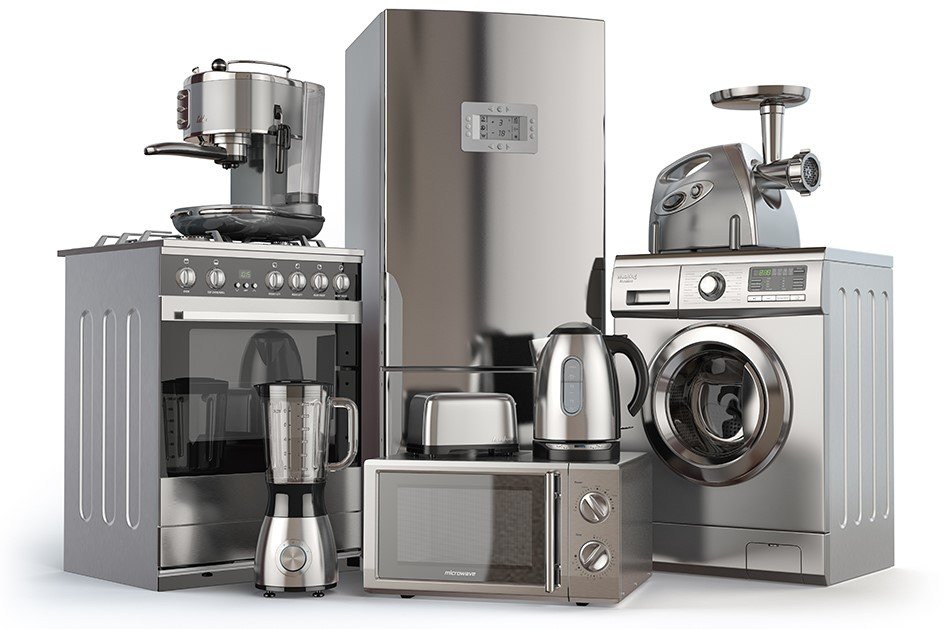
Have you ever walked into a kitchen and marveled at how much of our daily comfort relies on large, rectangular, often humdrum machines? Whether it’s the hum of the refrigerator at midnight or the rhythmic spin of the washing machine, white goods are the unsung heroes of the domestic world. These large household appliances have evolved from luxury items to absolute necessities, fundamentally changing how we manage our time and our homes.
For fast and professional help with bulky appliance collection, services like White Goods Removal make the process simple, safe, and compliant with Australian environmental standards.
What Are White Goods? Defining the Modern Home
Historically, the term white goods referred to large domestic appliances that were finished in white enamel. This was the industry standard for decades because white conveyed a sense of cleanliness and hygiene, especially in kitchens and laundry rooms.
Today, while you can find refrigerators in matte black, stainless steel, or even retro pastel pink, the industry still categorizes them as white goods to distinguish them from “brown goods” (consumer electronics like TVs and laptops) and “small appliances” (toasters and kettles).
Key Examples of White Goods
-
Refrigerators and Freezers: The cornerstone of food preservation.
-
Washing Machines and Tumble Dryers: The pillars of garment care.
-
Dishwashers: The ultimate time-savers in the kitchen.
-
Ovens and Stoves: The primary tools for thermal food preparation.
-
Air Conditioners: Essential climate control units in many regions.
The Evolution of White Goods: From Iceboxes to Smart Tech
The journey of white goods is a fascinating reflection of human progress. Before the 1920s, “refrigeration” meant a block of ice delivered by a horse-drawn carriage. “Laundry day” was literally a whole day of back-breaking labor involving washboards and boiling vats of water.
The Industrial Boom
Following World War II, the production of white goods exploded. As the middle class grew, these machines became symbols of the modern, efficient home. The focus was on durability and basic function. You might even remember your grandparents having a fridge that lasted 40 years—those were the “tanks” of the appliance world.
The Digital Revolution
By the late 1990s and early 2000s, microprocessors began appearing in white goods. We saw the introduction of fuzzy logic in washing machines, which allowed the machine to “sense” the weight of the load and adjust water levels accordingly.
Why Energy Efficiency is the New Standard for White Goods
In the modern era, the conversation around white goods has shifted from pure power to energy efficiency. Because these appliances run constantly or consume massive amounts of heat, they are often the largest contributors to a household’s carbon footprint and utility bill.
Understanding Energy Ratings
Most countries now require white goods to display energy labels. These labels provide a quick visual guide to how much electricity and water the unit consumes compared to other models.
-
Lower Operating Costs: An A-rated refrigerator can save you hundreds of dollars over its lifespan compared to a G-rated model.
-
Environmental Impact: High-efficiency white goods reduce the demand on power plants and lower greenhouse gas emissions.
The Role of Inverter Technology
One of the biggest breakthroughs in white goods is the inverter compressor or motor. Unlike traditional motors that are either “on” or “off,” inverters can run at variable speeds. This prevents the energy spikes associated with starting a motor and maintains a more consistent temperature or spin.
A Closer Look at Essential White Goods Categories
1. Refrigeration: The Heart of the Kitchen
Modern refrigerators are far more than just cold boxes. They are precision-engineered environments designed to keep food fresh for longer.
-
Dual Cooling Systems: Keeping the freezer air dry and the fridge air humid.
-
Smart Screens: Many high-end white goods now feature Wi-Fi-connected screens for grocery lists and recipes.
-
Flexible Zones: Compartments that can switch from fridge to freezer at the touch of a button.
2. Laundry: Efficiency Meets Fabric Care
Washing machines have become incredibly sophisticated. The latest white goods in this category prioritize protecting delicate fibers while using minimal water.
-
Steam Cycles: Helping to sanitize clothes and reduce wrinkles without harsh chemicals.
-
Auto-Dosing: Machines that detect the soil level and dispense the exact amount of detergent needed.
-
Heat Pump Dryers: The pinnacle of drying technology, recycling hot air to save up to 50% more energy than vented models.
3. Dishwashers: The Eco-Friendly Choice
There is a common myth that hand-washing is better for the planet. In reality, modern white goods like Energy Star-certified dishwashers use significantly less water (often just 3-4 gallons) than a running sink.
Choosing the Right White Goods for Your Lifestyle
Buying white goods is a long-term investment. Since these items typically last 10 to 15 years, making the wrong choice can lead to a decade of frustration.
Consider the Dimensions
It sounds simple, but many people forget to measure their doorways and hallways. Ensure the white goods you buy can actually fit through the entrance of your home, not just the designated spot in the kitchen.
Capacity Matters
-
Small Households (1-2 people): Look for compact or “slimline” white good’s to save space and energy.
-
Large Families (4+ people): High-capacity drums (9kg+) for washing machines and American-style side-by-side fridges are essential.
Noise Levels
If you live in an open-plan apartment, the decibel (dB) rating of your white goods is crucial. Look for dishwashers and laundry units rated under 45dB for a whisper-quiet experience.
The Rise of Smart White Goods and the IoT
The “Internet of Things” (IoT) has turned traditional white goods into smart assistants. But do you really need a fridge that tweets? Perhaps not, but the functional benefits are undeniable.
-
Remote Monitoring: Receive a notification on your phone if you left the fridge door open.
-
Diagnostic Alerts: Your washing machine can send an error code directly to a technician, identifying the broken part before they even arrive.
-
Energy Optimization: Some smart white good’s can be programmed to run only when electricity rates are at their lowest (usually middle of the night).
Maintenance: How to Extend the Life of Your White Goods
To get the most out of your investment, regular maintenance is non-negotiable. White good’s that are well-cared-for perform better and use less energy.
-
Clean the Coils: Dust the condenser coils at the back of your fridge every six months to keep it cooling efficiently.
-
Check the Seals: Ensure the rubber gaskets on your oven and fridge are airtight. A leak here means the machine has to work twice as hard.
-
Descale Regularly: If you live in a hard-water area, use a descaler in your dishwasher and washing machine to prevent limescale buildup on heating elements.
-
Clean Filters: Tumble dryer lint filters should be cleaned after every use to prevent fire hazards and maintain airflow.
The Environmental Impact and Recycling of White Goods
What happens when white good’s reach the end of their lives? Because they contain metals, plastics, and sometimes hazardous refrigerants (like CFCs or HFCs), they cannot simply be tossed in a landfill.
Responsible Disposal: Most retailers offer a “take-back” scheme when you purchase new white goods. They will haul away your old unit and ensure it is stripped for parts and recycled safely. This is vital for a circular economy, as the steel and copper recovered from old appliances are highly valuable.
Conclusion: Investing in the Future of Your Home
White goods are more than just utility items; they are the foundation of a functional, modern lifestyle. From the way we eat to the way we dress, these machines provide us with the most valuable commodity of all: time.
As technology continues to advance, we can expect white goods to become even more integrated, sustainable, and intuitive. When it’s time for you to upgrade, prioritize energy efficiency and build quality. A slightly higher upfront cost for premium white good’s usually pays for itself in lower utility bills and fewer repairs down the road.
Frequently Asked Questions (FAQs)
1. What is the average lifespan of most white goods?
Generally, you can expect major white goods to last between 10 and 15 years. Refrigerators and gas ranges tend to have the longest lifespans (up to 15 years), while dishwashers and microwaves may need replacing closer to the 10-year mark. Regular maintenance is the biggest factor in reaching the upper end of these estimates.
2. Is it cheaper to repair or replace old white goods?
A good rule of thumb is the 50% rule: If the repair cost is more than 50% of the price of a new machine, and the unit is more than halfway through its expected lifespan, it’s usually better to replace it. Additionally, new white goods are often so much more energy-efficient that the electricity savings alone justify the replacement.
3. Why are they still called “white good’s” if they come in different colors?
The term is an industry legacy. In the mid-20th century, almost all large appliances were coated in white baked enamel for its durability and clean appearance. While “stainless steel” or “integrated” (hidden behind cabinet doors) finishes are now popular, the trade term white good’s remains the standard classification for these large appliances.
4. How much can energy-efficient white goods actually save me?
The savings can be substantial. Switching from an old, inefficient refrigerator to a modern, high-rated model can save a household anywhere from $50 to $150 per year in electricity. Over a 12-year lifespan, the appliance practically pays for a significant portion of its own purchase price.
5. Can I install my own white good’s, or should I hire a professional?
While some white goods like refrigerators are “plug-and-play,” others require more expertise. Washing machines and dishwashers involve plumbing connections that, if done incorrectly, can lead to costly water damage. Gas stoves must be installed by a certified professional for safety reasons and to comply with most home insurance policies.
