
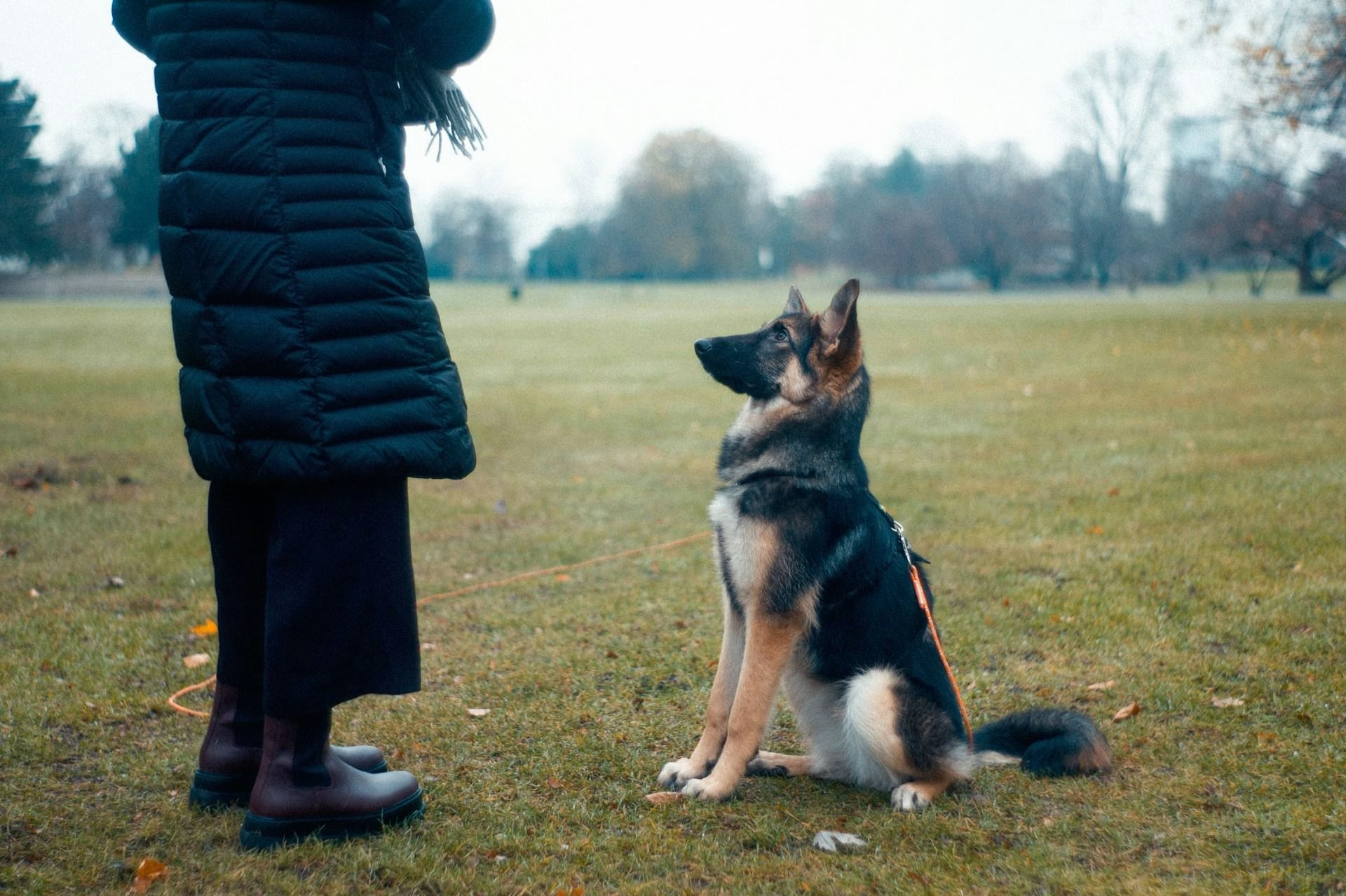
Training your dog feels satisfying because you’re building trust and shaping everyday habits that make life smoother. When your dog understands what you expect at home or around others, everything becomes easier. If you ever want extra help, dog training and obedience programmes offer simple lessons that suit different breeds, ages, and temperaments, giving you confidence as you guide your dog.
1. Use Clear Commands Your Dog Can Learn Easily
Commands such as “sit”, “stay”, or “come” work well because they are very simple and easy for your dog to associate with a particular action. When you use the same word in the same intonation a half dozen or more times per day, you’ll find your dog learns far quicker, even amid distractions like excitement. Issue the command one time, then position your dog in the right place, if necessary.
2. Encourage Good Habits with Positive Reinforcement
Treats and warm praise can make your dog feel secure while also creating motivation and optimism. Treats are great in the beginning, but once your dog knows what to expect, you can step down to verbal praise or a quick pat so that he’s not expecting a food reward every time. Paying your dog after the correct action is important because timing teaches your dog precisely what they did right.
3. Keep Session Times Short but Practice Often
Regular training will help your dog stay alert and focused while keeping them from getting tired and bored. Extended lessons tend to have the reverse effect; they frustrate you or your dog. Most dogs do well with 10-minute sessions twice a day, and you can change the timing as your dog starts to feel settled. These little, regular lessons will quickly add up and help your dog remember commands.
4. Practice in Different Places to Build Real-World Confidence
Your dog may obey every command in the home but be crippled when you enter the park. New locations mean new sounds or distractions; by training in a variety of places, your dog is more likely to cope when chaos hits around them. Start in a quiet place before adding challenging ones like the backyard. When your dog gets good at responding in space, those commands get stronger.
5. Stay Consistent, Patient, and Clear with Boundaries
Your dog learns faster when you keep the same rules every day because it removes confusion. Using the same commands and avoiding mixed messages helps your dog understand what’s expected. Patience also matters, especially during moments when your dog gets excited, stubborn, or distracted. Dogs respond to your tone and energy, so keeping calm helps steady your dog’s focus.
6. Pay Attention to Your Dog’s Body Language and Behaviour
A wagging tail is a way of showing excitement, and a lowered stance could mean your dog feels uncertain. When you’re able to read these signals, you know when to take it easy or lighten the mood. Distractions are to be expected, as dogs focus on everything, from birds overhead to scents carried on the breeze. Rather than rush or get frustrated, lead your dog back to the task with a steady voice.
7. Consider Professional Training for Extra Support
Some dogs benefit from expert help, especially when you’re dealing with strong instincts or reactive behaviour. Professional trainers know how to adjust techniques based on your dog’s temperament and needs, giving you a structured plan to follow. Training programmes through dog training and obedience services cover everything from basic manners to behaviour correction and advanced skills.
Should You Strengthen Your Dog’s Training Now?
Good obedience training builds safety, confidence, and better habits that follow your dog through life. When you mix simple steps with positive reinforcement and steady routines, your dog learns how to handle different situations without stress. Pairing your home training with expert help gives you even stronger results, helping you build a bond based on trust, respect, and clear communication.
Visit for more petqrdas.com
