
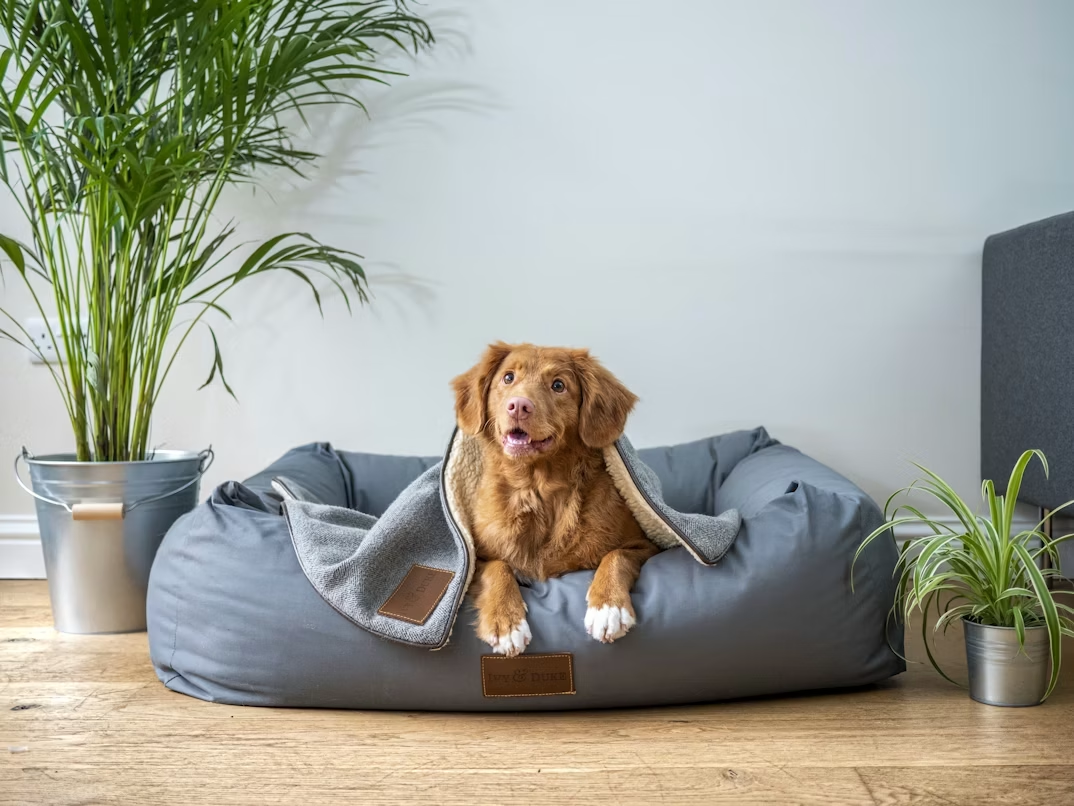
A calm home helps dogs relax, learn faster, and settle after busy days. With a few simple changes, you can lower stress and build habits that keep tails wagging.
Set The Tone With Routine
Dogs thrive on predictable rhythms. Feed, walk, and rest at similar times so your dog knows what comes next. Short training moments before meals or walks teach patience and make the day feel steady and safe.
Support Joints And Sleep Quality
Deep, uninterrupted sleep is when bodies repair, and minds reset. Many families upgrade to premium pet bedding for better pressure relief and temperature comfort, which encourages longer naps and easier mornings. Place beds in draft-free areas and add a lightweight blanket your dog can nose into.
Bed Placement Tips
- Keep at least one bed near a family activity for daytime dozing
- Offer a second bed in a quiet room for deeper nighttime sleep
- Check for slips or bunching and smooth bedding each evening
Enrich The Environment
Boredom invites stress. Rotate chew toys, offer puzzle feeders a few times per week, and add simple scent games that let your dog hunt with their nose.
A large UK survey of dog owners, reviewed by an academic, explored everyday factors tied to canine wellbeing and highlighted how routine, stimulation, and supportive surroundings shape happier dogs over time.
- Day 1 – scatter feed a portion of dinner on a snuffle mat
- Day 2 – short training tune up: sit, down, stay, come
- Day 3 – frozen lickable treat for quiet focus
- Day 4 – new walking route with extra sniff breaks
- Day 5 – hide and seek with a favorite toy
- Day 6 – gentle tug with clear start and stop cues
- Day 7 – rest day with massage and brushing
Reduce Triggers At The Door
Doorways can be noisy and exciting. Use frosted film or curtains on street-facing windows to cut visual triggers.
Park a treat jar near the door, cue a sit, then reward calm when visitors enter. If your dog rehearses barking, add a white noise machine during rush hours to soften outside sounds.
Give your dog a quiet place to decompress. Choose a low-traffic corner away from doorways and noisy appliances, and add soft light, water, and a favorite toy. Invite your dog to this spot during calm moments so it becomes a natural retreat, not a timeout.
Make Alone Time Easier
Practice short absences when you are still home. Give a safe chew, step out of sight for a minute, then return before stress builds.
Stretch the time slowly and keep exits and returns low-key. A simple routine like potty, quiet play, settle on bed, then a calm goodbye teaches your dog what to expect.
Daily movement reduces nervous energy and improves sleep. Mix one brisk walk with several short sniff sessions so your dog processes scents and decompresses. On hot or stormy days, trade long outings for indoor scent games and hallway fetch to protect joints and nerves.
Manage Sound And Lighting
Soundscapes matter. Soft background audio can mask sudden noises and signal downtime. In the evening, lower the lights and switch to warmer bulbs so your dog’s body clock winds down.
If fireworks or storms are common, build a cozy den with thicker bedding and a fan for soothing, steady noise.
Feed Calm, Not Chaos
Skip rough play or high-energy games right before meals. Ask for a sit, set the bowl down, and release with a short cue so eating starts from a calm state. If your dog guards food, feed in a quiet room and keep people at a respectful distance to lower tension.
Clear, kind rules reduce confusion. Decide where your dog may rest, which sofas are fair game, and how greetings work at the door. Everyone should follow the same plan, so your dog gets one answer every time.
Track Stress And Adjust
Watch for signals like pacing, yawning when not sleepy, lip licking, or sudden shedding. Keep a short diary of triggers and wins so you can spot patterns. If stress lingers or worsens, check with your vet to rule out pain or medical issues.
Set up a portable bed or mat your dog knows well, then take it to friends’ homes or hotels. Bring familiar chews and a small water bowl to anchor the routine. Ask guests to greet your dog with soft voices and turned bodies so the first minute stays calm.

A Weeknight Wind-Down
Pick a repeatable evening script. A 10-minute sniff walk, water, gentle grooming, then lights dim and a cue for bed often works wonders. Consistency tells your dog that the day is over and there is nothing left to guard or patrol.
A stress-free home is built from small, steady choices. Offer safe spaces, supportive sleep, and simple routines, then sprinkle in enrichment to keep minds busy and bodies relaxed. Over time, those quiet habits help your dog feel secure, rested, and ready for whatever tomorrow brings.
Visit for more petqrdas.com
